
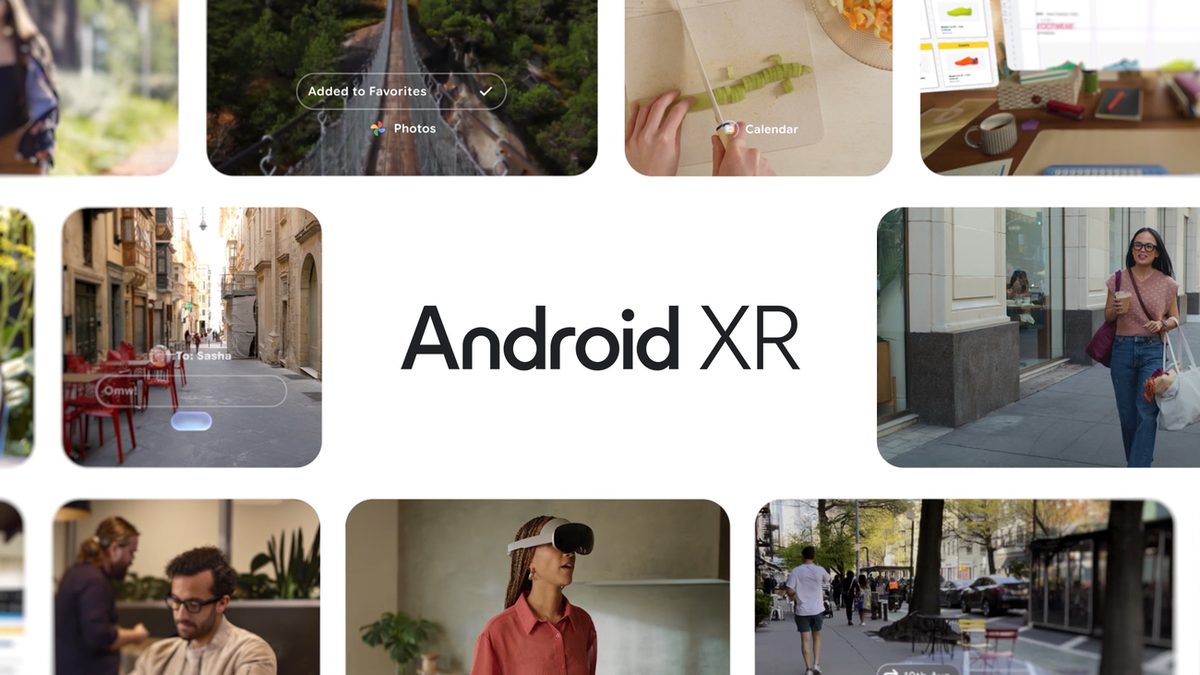
The Road to Android XR 2.0
Since the launch of the Samsung Galaxy XR headset in late 2025, Google has been rapidly iterating on the underlying software. Android XR 2.0 (codenamed 'Kalamata') is expected to be the centerpiece of the I/O 2026 keynote.
The primary focus of version 2.0 is expected to be 'spatial continuity.' This feature allows apps to transition seamlessly between a phone screen, a tablet, and a 3D overlay on Android XR glasses. Developers have noted several new APIs in recent beta builds that suggest a much more robust multi-tasking environment.
Key expected software features include:
- Micro-gesture recognition: High-precision finger tracking that works even when hands are at the user's side.
- Improved Passthrough Latency: Reducing 'photon-to-eye' lag to under 10ms for display-equipped glasses.
- Unified Notification Hub: A redesigned system for managing Android phone alerts within the 3D space.
Gemini 2.0: The AI-First OS
Google's Gemini 2.0 is rumored to launch alongside the new OS. For Android XR, this means a shift from "voice assistant" to "visual context engine."
Gemini 2.0 will likely offer 'Always-on Visual Reasoning.' This allows the glasses to understand exactly what the user is looking at without requiring a specific "Hey Gemini" trigger for every interaction. Whether it's identifying a plant in a park or translating a restaurant menu in real-time, the integration is expected to be far more fluid than the current 1.5 Pro implementation.
Hardware Partners: Beyond Samsung
While Samsung remains the lead hardware partner, I/O 2026 is expected to showcase the breadth of the ecosystem. We anticipate updates from:
- Warby Parker: A potential reveal of the 'Signature' series of Android XR frames.
- XREAL: A deeper dive into how Project Aura utilizes the Android XR 2.0 kernel for its 70° FOV optics.
- New Partners: Rumors suggest a major PC manufacturer (likely ASUS or HP) may announce an Android XR 'Productivity' headset to compete with the Apple Vision Pro 2.
What to Watch For
The keynote will likely conclude with a concrete launch roadmap for the "Year of Glasses." With Samsung already confirmed for H2 2026, I/O will be the moment Google attempts to convince the world that the smart glasses era has finally arrived.
"2026 is the year Android XR moves from the lab to the living room. It's not just a platform; it's the new standard for human-computer interaction."